Powerful Natural Ingredients That Support the Weight-Loss Journey
Several plant-based ingredients commonly found both in nature and in botanical dietary supplements and widely used in traditional diets are now being studied for their possible role in metabolic processes such as energy regulation, appetite awareness, and glucose balance.

In recent years, scientists and nutrition researchers have increasingly focused on natural ingredients that may support the body's metabolic processes. Rather than acting as quick fixes, many plant-based compounds are studied for how they influence metabolism, blood sugar balance, inflammation, and appetite regulation. These biological mechanisms play an important role in how the body stores and uses energy.
Weight management is a complex process that involves several systems working together. Metabolism determines how efficiently the body converts food into energy. Blood sugar regulation influences hunger signals and fat storage. Inflammation can affect hormonal balance and metabolic efficiency. Appetite and satiety signals determine how much we eat and how satisfied we feel after meals.
Because of this complexity, researchers often examine natural ingredients through the lens of metabolic support, rather than simple calorie reduction. Many traditional plants and natural compounds have been used for centuries in different cultures and are now being analyzed in modern scientific studies.
Some ingredients appear to support thermogenesis, the process through which the body generates heat and burns calories (also called Thermogenic Fat Burner). Others may help maintain stable blood glucose levels, which can influence cravings and energy levels. Certain compounds are studied for their anti-inflammatory properties, while others may contribute to feelings of fullness and appetite regulation.
In this article, we will explore several natural ingredients that researchers frequently investigate in relation to metabolism and weight management. These ingredients can be grouped according to the biological processes they may support.
Ingredients That May Support Metabolism

Green Tea
Green tea has been widely studied for its potential role in metabolic support. It contains bioactive compounds known as catechins, particularly epigallocatechin gallate (EGCG).
These compounds are frequently researched for their ability to influence thermogenesis and fat oxidation.
Catechins appear to work synergistically with the natural caffeine content found in green tea. Together, they may stimulate certain metabolic pathways that help the body use stored fat as a source of energy. Some studies have suggested that this combination may modestly increase energy expenditure throughout the day.
Another interesting aspect of green tea is its antioxidant content. Antioxidants help neutralize free radicals, which are unstable molecules associated with cellular stress. Reducing oxidative stress may indirectly support metabolic health and overall wellness.
Because of these characteristics, green tea has become one of the most commonly studied plant ingredients in nutritional science. It is consumed globally both as a beverage and as a concentrated extract in various dietary supplements.

Guaraná
Guaraná is a plant native to the Amazon region and has been traditionally used for its stimulating properties. The seeds of the guaraná plant contain naturally occurring caffeine along with other compounds such as theobromine and tannins.
Caffeine is known to temporarily stimulate the central nervous system and may increase alertness and energy levels. In the context of metabolism, caffeine is often studied for its potential to enhance thermogenesis and promote the breakdown of fat molecules.
Researchers also examine how guaraná may influence physical performance and endurance. Increased energy and alertness may indirectly support active lifestyles, which are an important component of healthy weight management.
In addition, guaraná contains polyphenols, a class of plant compounds associated with antioxidant activity. These molecules may contribute to cellular protection and metabolic balance.

Ginger
Ginger has been used for centuries in traditional medicine and culinary practices. Beyond its distinctive flavor, ginger contains bioactive compounds such as gingerol and shogaol, which are studied for their physiological effects.
Some research suggests that ginger may support thermogenesis and digestive efficiency. Thermogenesis refers to the body's production of heat, a process that can influence energy expenditure. Digestive support may also contribute to how efficiently the body processes nutrients.
Ginger is also frequently studied for its potential effects on inflammation and metabolic health. Chronic low-grade inflammation has been associated with metabolic imbalance, making anti-inflammatory dietary components an area of ongoing research.
Because of its broad range of studied properties, ginger is often included in nutritional strategies aimed at supporting digestion, metabolism, and general wellness.
Ingredients That May Help Regulate Glucose

Berberine
Berberine is a natural compound found in several plants, including barberry and goldenseal. In scientific literature, berberine is often examined for its potential influence on glucose metabolism.
One of the mechanisms researchers explore is berberine’s interaction with an enzyme called AMP-activated protein kinase (AMPK). This enzyme plays a role in regulating cellular energy balance. When activated, AMPK may influence how cells use glucose and fatty acids for energy.
Because of this mechanism, berberine has been studied in relation to metabolic conditions associated with blood sugar regulation. Maintaining stable glucose levels is important for avoiding sudden energy fluctuations and excessive hunger signals.
For these reasons, berberine continues to be a subject of ongoing research in metabolic science.

Cinnamon
Cinnamon is widely known as a culinary spice, but it has also attracted attention in nutritional research. Several compounds found in cinnamon are studied for their potential role in glucose metabolism.
Some studies suggest that cinnamon may help support insulin sensitivity. Insulin is the hormone responsible for transporting glucose from the bloodstream into cells where it can be used as energy.
When insulin sensitivity is balanced, the body can manage blood sugar levels more effectively.
Stable glucose levels may contribute to more consistent energy and reduced cravings.
Because of these potential effects, cinnamon is often discussed in dietary strategies related to metabolic health.
In addition, cinnamon contains antioxidants that may support cellular protection against oxidative stress.

Banaba
Banaba is a tropical plant traditionally used in parts of Southeast Asia. Its leaves contain compounds such as corosolic acid, which researchers study for possible effects on glucose metabolism.
Scientific investigations often focus on how these compounds may influence glucose uptake by cells. Efficient cellular uptake of glucose can play an important role in maintaining balanced blood sugar levels.
Banaba is also studied for its potential antioxidant properties. These compounds may support metabolic health by helping to protect cells from oxidative damage.
Because of these characteristics, banaba has become an ingredient of interest in modern nutritional research.
Metabolic Anti-Inflammatory Ingredients

Turmeric
Turmeric is a bright yellow spice derived from the root of the Curcuma longa plant. Its most studied compound is curcumin, which is known for its antioxidant and anti-inflammatory properties.
Chronic inflammation has been linked to metabolic imbalance and reduced insulin sensitivity. Because of this connection, compounds that may help regulate inflammatory responses are widely studied in metabolic health research.
Curcumin appears to interact with multiple molecular pathways involved in inflammation and oxidative stress. This broad range of interactions makes turmeric one of the most extensively researched plant ingredients in nutritional science.
Turmeric is commonly used in cooking, teas, and dietary supplements, where it may be combined with other compounds to enhance its bioavailability.
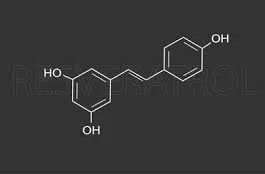
Resveratrol
Resveratrol is a polyphenol naturally found in grapes, berries, and certain plants. It has been widely studied for its potential role in metabolic and cellular health.
Researchers often examine resveratrol for its interaction with proteins known as sirtuins, which are associated with cellular energy regulation and longevity pathways. These proteins are believed to influence how cells respond to metabolic stress.
Resveratrol is also studied for its antioxidant and anti-inflammatory properties. By helping protect cells from oxidative damage, it may contribute to maintaining healthy metabolic function.
Although research continues to evolve, resveratrol remains one of the most discussed compounds in the field of metabolic science.
Ingredients That May Help Promote Satiety

Apple Cider Vinegar
Apple cider vinegar has gained attention in nutritional discussions related to appetite control and digestion. It contains acetic acid, a compound that researchers study for its potential influence on digestion and metabolic processes.
Some studies suggest that acetic acid may slow gastric emptying, which means food stays in the stomach for a longer period of time. This process may contribute to a greater feeling of fullness after meals.
In addition, apple cider vinegar has been examined for possible effects on post-meal blood glucose responses. Stable glucose levels may indirectly influence hunger signals and cravings.
Because of these characteristics, apple cider vinegar is frequently included in dietary strategies focused on appetite awareness and metabolic balance.
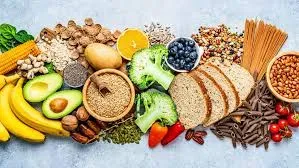
Dietary Fibers
Dietary fibers are among the most well-established nutritional components associated with satiety. Found naturally in fruits, vegetables, legumes, and whole grains, fibers play an important role in digestive health.
Soluble fibers absorb water and form a gel-like substance during digestion. This process slows the movement of food through the digestive tract and may promote longer-lasting feelings of fullness.
Fiber intake has also been associated with balanced blood sugar responses, since digestion and glucose absorption occur more gradually. This steady release of energy may help reduce fluctuations that can trigger hunger.
Because of their multiple benefits, dietary fibers are widely recommended as part of balanced nutritional patterns.
Why Are Researchers Interested in Combining These Ingredients?
Interestingly, scientists rarely study plant compounds entirely in isolation. Many modern nutritional formulations combine multiple ingredients together. The idea behind this strategy is that different plant compounds may interact with different metabolic pathways at the same time.
This approach has sparked interest in multi-ingredient formulations designed to bring together several plant compounds that are currently being explored in nutritional research.
Understanding how different natural ingredients interact with the body can provide valuable insights for individuals exploring nutritional strategies that support metabolic health. Rather than focusing on a single compound, research increasingly highlights how multiple biological mechanisms contribute to weight management.
Ingredients that support metabolism, help maintain balanced blood glucose levels, contribute to anti-inflammatory processes, and promote satiety may each play a role in the broader picture of metabolic wellness. Learning about these compounds allows individuals to make more informed decisions when evaluating foods, herbs, and nutritional products.
These ingredients can often be found in their natural forms in foods, teas, and traditional preparations. At the same time, many modern nutritional products combine several of these compounds into carefully designed formulations.
Combining ingredients may allow different mechanisms to work together in complementary ways. For example, a formulation might include metabolic support ingredients, glucose-balancing compounds, and satiety-promoting fibers within the same product.
Understanding this strategy can help readers better interpret how certain nutritional supplements are structured and why multiple ingredients are often used together.
Why Many Modern Supplements Combine These Ingredients
As scientific research continues to explore natural compounds and their role in metabolic health, one interesting strategy has become increasingly common: combining multiple ingredients into a single formula.
Rather than focusing on only one compound, many formulations aim to support different metabolic pathways at the same time. For example, one ingredient may be studied for metabolic activity, another for blood sugar balance, and another for appetite awareness.
This complementary approach is one reason why many nutritional products today are designed with multiple plant-based compounds working together.
The most successful weight loss supplements on the market generally combine three categories:
Thermogenics + Metabolic Regulators + Antioxidants
But where does this success come from? Find out here.
This article is for informational purposes only and does not constitute medical advice. Readers should consult qualified professionals before making decisions related to health, nutrition, or supplementation.
This page may contain affiliate links. If you choose to visit external websites through these links, we may receive a commission at no additional cost to you.
© 2026 Prime Value. All Rights Reserved.
Prime Value provides informational content and product reviews designed to help consumers make informed decisions. We may receive compensation from companies whose products are featured on this website through affiliate partnerships.
The information on this website is intended for educational and informational purposes only and should not be considered medical, financial, or professional advice. Always consult a qualified professional before making health or financial decisions.
External links may direct users to third-party websites. We are not responsible for the content, policies, or practices of those external sites.
Links:
Home | About | Contact | Privacy Policy | Terms of Use